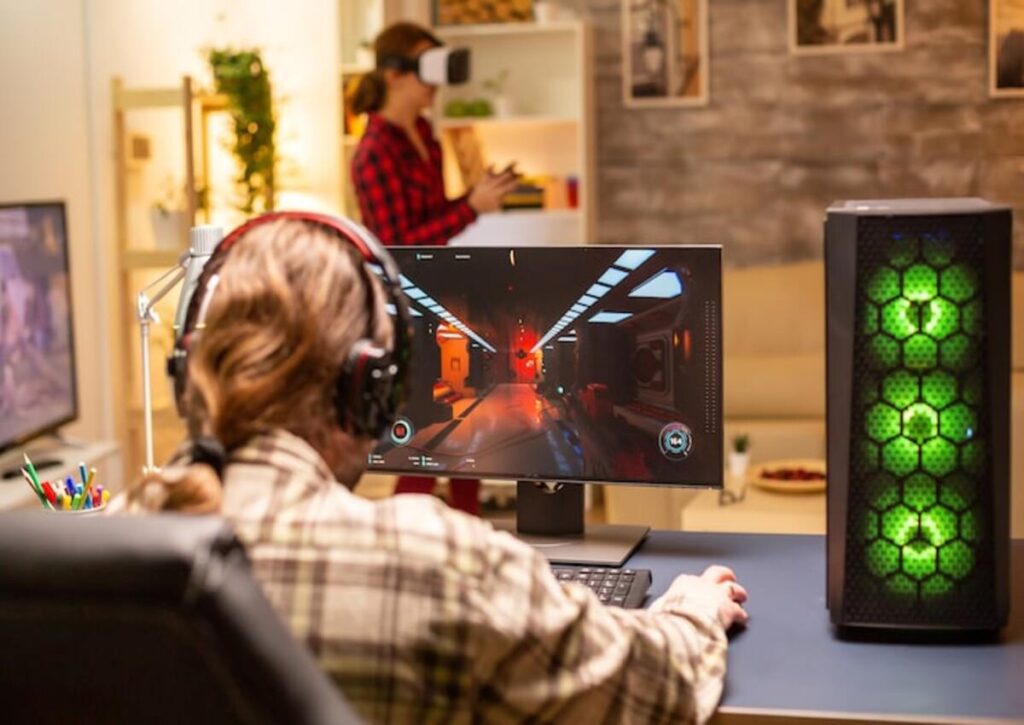
The digital landscape has shifted. A decade ago, a well-written blog post or a high-resolution screenshot was enough to capture the attention of the gaming community. Today, the “scroll culture” demands something more visceral. As gamers, we are naturally drawn to movement. We look for the flicker of a pixel, the fluidity of a character’s stride, and the high-octane energy of a cinematic trailer. For creators and journalists in the gaming space, standing out isn’t just about what you say. It is about how much life you can breathe into your presentation.
Bringing Your Stories to Life
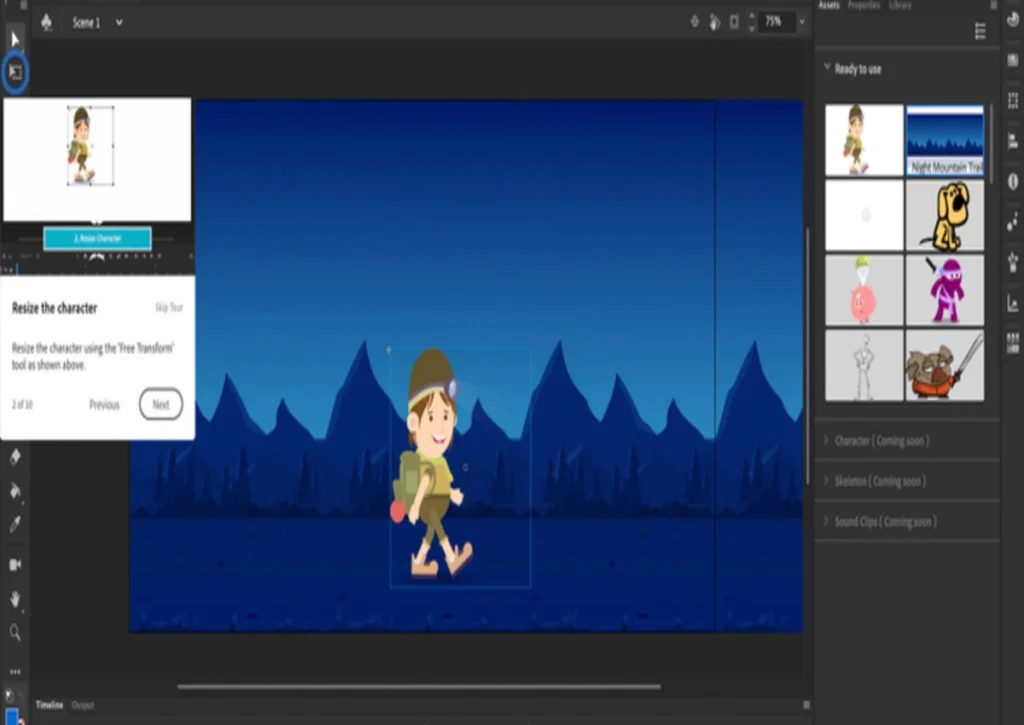
When we look at the evolution of platforms like LCFGameNews, the goal is always to provide the most immersive experience for the reader. Whether you are covering the latest indie RPG or analyzing the meta-shift in a competitive shooter, static images can only go so far. This is where modern creative tools bridge the gap. If you want to elevate your storytelling, you should explore solutions for animation maker relevant to your specific niche, allowing you to turn a standard news update into a dynamic visual experience. By adding even simple motion graphics or animated overlays to your content, you transform a passive reader into an engaged viewer.
Why Animation Matters for Gaming Journalists
In the world of gaming news, speed is everything, but quality is what builds a loyal following. Animation offers three distinct advantages that text and static images simply cannot match:
- Clarity in Complexity: Try explaining a complex new movement mechanic in a game like Apex Legends using only words. It is difficult. An animated clip can demonstrate that “super-glide” or “tap-strafe” in seconds, providing instant value to your audience.
- Brand Identity: Custom animations, such as a signature intro for your video reviews or a unique transition for your social media clips, give your platform a professional look. It tells your audience that you care about the craft.
- Emotional Resonance: We have all felt that surge of excitement when a teaser trailer drops. By using animation, you can tap into that same hype. You can use motion to emphasize the drama of a big announcement or the nostalgia of a retro gaming retrospective.
The Human Touch in Digital Creation
There is a common misconception that animation requires a Hollywood budget or a degree in computer science. In reality, the most effective animations in the gaming world are often the simplest ones. Think about the charm of “lo-fi” aesthetic animations or the “pixel art” style that dominates the indie scene. These styles feel human because they embrace character and personality over raw graphical power.
When creating content for your audience, think about the “Micro-Moments.” An animated “Subscribe” button that fits the theme of the game you are covering, or a short, looping GIF of a character’s idle animation, creates a sense of cohesion. It shows that there is a human curator behind the screen who understands the culture, rather than an algorithm churning out text.
Actionable Tips for Integrating Motion
If you are ready to start experimenting with motion but do not know where to begin, here is a professional roadmap:
- Start with Templates: Do not reinvent the wheel. Use high-quality templates for lower-thirds (the text that appears at the bottom of a screen) and transitions. This keeps your look consistent.
- Focus on Social Media Snippets: Take a quote from your latest article and turn it into an animated typography video. These perform significantly better on platforms like X (formerly Twitter) and Instagram than plain text.
- The Power of the Loop: Perfectly looping animations are hypnotic. If you are reviewing a game with a beautiful environment, a 5-second high-quality loop of the scenery can serve as a stunning backdrop for your commentary.
Bridging the Gap Between News and Entertainment
The most successful gaming outlets today are those that blur the line between being a news source and being an entertainment hub. Users do not just go to a site to find out when a game is coming out. They go to feel part of the hype cycle.
By integrating animation, you are essentially providing a trailer for your written content. You are giving the audience a reason to stop scrolling and start clicking. It is about building an ecosystem where the art reflects the subject matter. If you are writing about a fast-paced action game, your visual presentation should feel energetic. If you are covering a cozy farm sim, your animations should be soft, slow, and inviting.
Professional Insight: Less is Often More
A word of caution to the enthusiastic creator: avoid the clutter trap. The goal of animation in journalism and content creation is to enhance the message, not to distract from it. If a reader has to wait ten seconds for a heavy animation to load before they can see the news, you have lost them.
Focus on functional animation, which is motion that serves a specific purpose. Does this animation help the reader understand the story better? Does it make the interface easier to navigate? Does it highlight a key piece of data? If the answer is yes, then it belongs in your toolkit.
The Future of Content at LCFGameNews
As we look toward the future of gaming media, the integration of interactive and animated elements will become the industry standard. We are moving toward a more gamified reading experience, where the articles themselves feel as alive as the titles they cover. For creators, this is an exciting time. The tools are more accessible than ever, and the audience’s appetite for high-quality, motion-driven storytelling is at an all-time high.
The transition from a static blog to a dynamic media powerhouse does not happen overnight. It starts with a single step, perhaps an animated logo or a motion-enhanced infographic. But once you start seeing the engagement levels climb and the community feedback pour in, you will realize that motion is not just a secondary feature. It is the heartbeat of modern digital communication.
Embrace the movement. Let your content dance, flicker, and shine. In a world of infinite scrolls, be the reason someone stops to look.